General News
20 February, 2026
Ambulance response times best in state
PARAMEDICS in the Warrnambool area have recorded the best response times in the state, arriving at 82.1 per cent of Code 1 patients within 15 minutes.
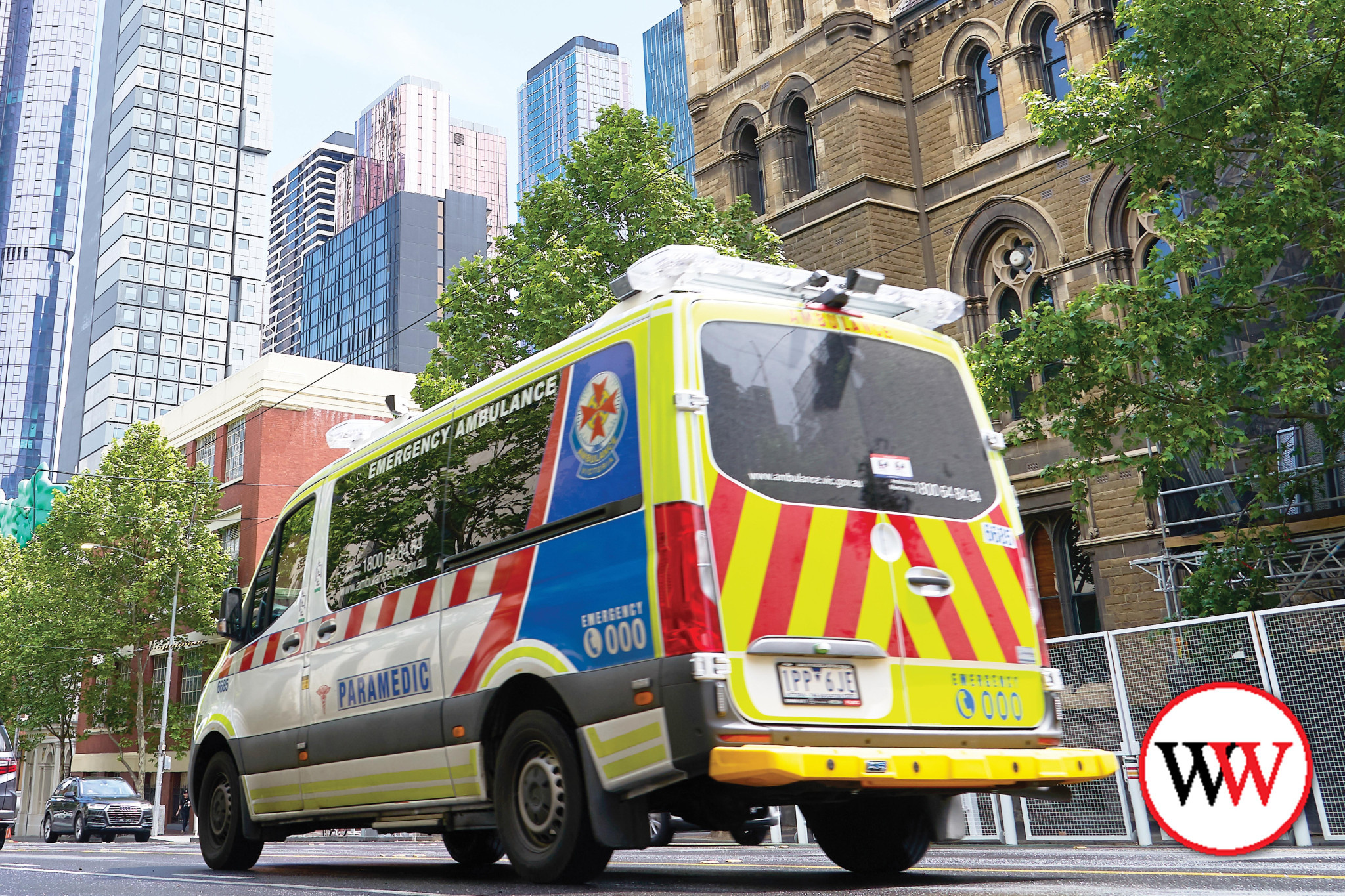
Figures released this month shows Ambulance Victoria (AV) responded to 100,292 Code 1 emergencies across Victoria during the October to December quarter – slightly down on the previous quarter but still the third highest on record.
“Despite this demand, we continue to lead the way in pre-hospital patient care, including the best cardiac arrest survival rates in Australia and the third best anywhere in the world,” Barwon South West regional director Jessica McGowan said.
AV paramedics and first responders are getting back on the road faster and improving response times thanks to a significant drop in clearing times across the Barwon South West region.
Hospital clearing times are the duration between an ambulance crew completing their patient handover and being able to attend another case.
Introduced last year, the Standards for Safe and Timely Ambulance and Emergency Care (the Standards) are improving handover times across the state – with the average hospital clearing times dropping by more than seven minutes last year.
“Every small improvement, from more efficient hospital handovers to quicker clearing times – adds up to better care for all Victorians,” Ms McGowan said.
“We’re extremely proud of our crews who through dedication and teamwork have made remarkable improvements to hospital clearing times and are returning to the community faster.”
The Barwon South West region average clearing time has dropped from 30.1 minutes between January and March 2025 to 22.6 minutes between October and December 2025.
The latest ambulance performance date for October to December showed improvements statewide and in 49 local government areas.
During the October to December quarter across Victoria, AV crews responded to 65.1 per cent of Code 1 cases within the state-wide target of 15 minutes – up from 64.1 per cent the previous quarter.
The state-wide average response time to Code 1 emergencies was 15 minutes and 40 seconds – six seconds faster than the previous quarter.
In the Barwon South West region, paramedics and first responders responded to 7,395 Code 1 cases between October and December last year.
AV acting executive director (regional operations) Michael Georgiou said AV was working closely with hospitals, emergency services and government partners to keep patients moving through the system as quickly as possible, and get ambulances back on the road sooner.
“Reducing clearing times is just one way we are striving to achieve the Standards,” he said.
“Work is also underway to complete more efficient patient transfers and use other care options such as the Victorian Virtual Emergency Department (VVED) when safe and appropriate.
“By leaving hospitals faster, we can get to the patients who need our lifesaving care the most; and that means better patient outcomes.”
Mr Georgiou said the support of the community can also help save lives.
“If you need help but it’s not life threatening, we encourage you to consider the most appropriate care for your situation,” he said.
“AV paramedics and first responders are focused on reaching the sickest patients first – but every day about one in five calls to Triple Zero don’t need an emergency ambulance response.
“Getting the right care at the right time can make a big difference. There are many options people can access when they need timely medical care and health advice, any time of the day or night, but not an emergency ambulance or calling Triple Zero – including the WED and Nurse-on-Call.”
Mr Georgiou said local urgent care clinics, GPs and pharmacists were also great options.
He said AVs triage services team (staffed by nurses and paramedics) also plays a vital role by connecting people with the right care and freeing up ambulances for life-threatening emergencies.
“From October to December, 49,747 people who did not need an emergency ambulance were instead connected to more appropriate care by paramedics and nurses in triage services,” Mr Georgiou said.
In a life-threatening emergency always call Triple Zero (000) immediately.